If you’re looking for other ways to say Contact Us, you’re probably writing website copy, creating a business page, designing a button, or sending professional messages. While Contact Us is clear and familiar, it isn’t always the best choice. Depending on your audience and brand voice, a friendlier, more professional, or more inviting phrase may encourage more people to reach out.
This guide explains the meaning of Contact Us, when to use it, and the best alternatives for websites, emails, customer support pages, and business communication.
Quick Answer
Contact Us is a common call-to-action that invites people to get in touch with a business, organization, or individual. It works well on websites, emails, and customer support pages, but you can replace it with more conversational or specific phrases depending on the situation and tone.
TL;DR
- Meaning: An invitation to communicate with a business or person.
- Tone: Neutral, polite, and professional.
- Common use: Websites, contact pages, customer service, and emails.
- Where it appears: Business websites, apps, newsletters, and marketing materials.
- Formal or informal: Mostly neutral and suitable for both professional and casual settings.
- Best tip: Choose an alternative that matches your audience and purpose.
What Contact Us Means
Contact Us simply asks someone to communicate with you. It tells visitors that they can reach your business if they have questions, need support, want more information, or wish to start working with you.
You’ll commonly see this phrase as:
- A website navigation link
- A button on landing pages
- An email invitation
- A customer service section
- A business directory listing
Although almost everyone understands it, many brands now prefer warmer or more action-oriented alternatives that encourage interaction.
Basic Explanation
Unlike internet slang or abbreviations, Contact Us is a standard English phrase.
- Contact means to communicate with someone.
- Us refers to the company, team, organization, or group.
Together, the phrase invites visitors to begin a conversation.
How People Use It Online
You’ll find this phrase almost everywhere online.
Common examples include:
- Business websites
- Online stores
- Software companies
- Healthcare providers
- Law firms
- Schools
- Nonprofit organizations
- Personal portfolios
- Freelance websites
Many websites also customize the wording to better match their audience.
For example:
- Talk to Our Team
- Get in Touch
- Send Us a Message
- Ask a Question
- Reach Out Today
These alternatives often feel more personal than the traditional wording.
Tone and Emotional Meaning
The phrase itself is neutral. It doesn’t sound overly formal or overly casual.
Depending on your replacement, the tone can change.
| Alternative | Tone |
|---|---|
| Contact Us | Neutral |
| Get in Touch | Friendly |
| Reach Out | Warm and conversational |
| Talk to Sales | Professional |
| Request a Quote | Business-focused |
| Chat With Us | Casual and immediate |
| Need Help? | Supportive |
| Send Us a Message | Personal |
Choosing the right tone helps visitors feel more comfortable taking the next step.
75 Other Ways to Say Contact Us
Friendly Alternatives
These options make businesses sound approachable.
- Get in Touch
- Reach Out
- Send Us a Message
- We’d Love to Hear From You
- Let’s Talk
- Say Hello
- Start a Conversation
- Drop Us a Line
- Connect With Us
- We’re Here to Help
These work especially well for blogs, small businesses, agencies, and personal brands.
Professional Alternatives
These fit corporate websites and B2B companies.
- Speak With Our Team
- Contact Our Team
- Request Information
- Submit an Inquiry
- Connect With Our Experts
- Schedule a Consultation
- Book a Meeting
- Request a Demo
- Start Your Inquiry
- Reach Our Support Team
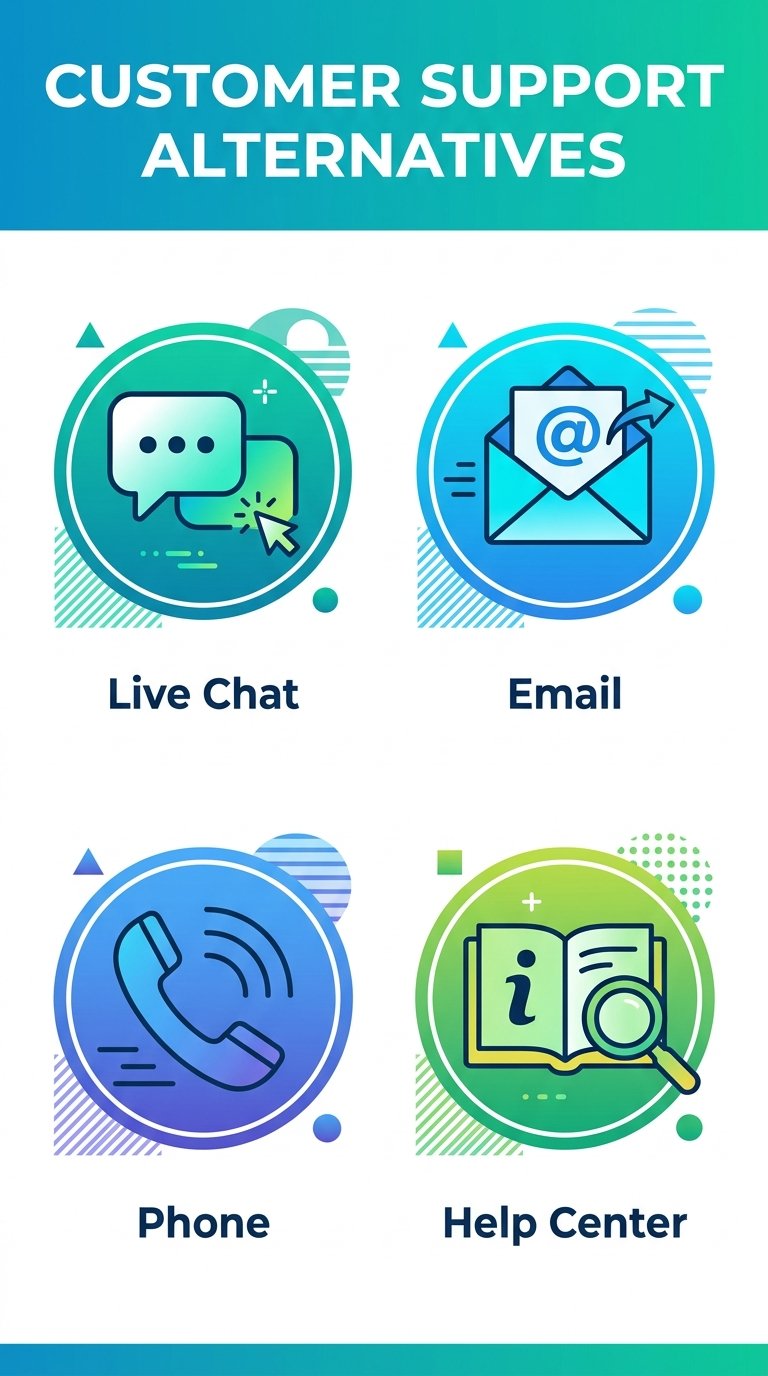
Customer Support Alternatives
Perfect for help centers and service businesses.
- Get Support
- Visit Our Help Center
- Open a Support Ticket
- Ask for Assistance
- Customer Support
- Talk to Support
- Need Help?
- Submit a Request
- Technical Support
- We’re Ready to Help
Sales-Focused Alternatives
If your goal is generating leads, these phrases work better than a general Contact Us button.
- Talk to Sales
- Request Pricing
- Get a Quote
- Schedule a Call
- Book a Demo
- Speak With an Advisor
- Learn More
- Discuss Your Project
- Start Today
- Request a Consultation
Casual Alternatives
These create a relaxed and welcoming tone.
- Let’s Chat
- Send a Quick Message
- Say Hi
- Reach Out Anytime
- Chat With Us
- We’d Love to Connect
- Let’s Connect
- Tell Us What’s on Your Mind
- Ask Us Anything
- Start Chatting
Formal Alternatives
These suit government organizations, universities, healthcare providers, and legal firms.
- Make an Inquiry
- Submit Your Inquiry
- Request Assistance
- Contact Our Office
- Speak With a Representative
- Submit a Contact Request
- Communicate With Our Team
- Reach Our Office
- Official Contact
- Contact Administration
Creative Alternatives
Brands that want a more memorable style often use these.
- Let’s Make It Happen
- Start the Conversation
- Your Next Step Starts Here
- Let’s Build Something Together
- Tell Us About Your Project
- Share Your Ideas
- Connect Today
- We’d Like to Hear Your Story
- Begin Your Journey
- Talk With an Expert
Short Button Text Alternatives
If space is limited, these work well.
- Message Us
- Email Us
- Call Us
- Chat Now
- Connect
- Talk Now
- Get Help
- Ask Us
- Learn More
- Start Here
Common Situations Where These Alternatives Work
Different phrases perform better depending on where they appear.
Business Homepage
Best choices:
- Get in Touch
- Let’s Talk
- Talk to Sales
- Request a Demo
Customer Support Page
Best choices:
- Get Support
- Need Help?
- Open a Support Ticket
- Ask a Question
Freelancer Portfolio
Best choices:
- Let’s Work Together
- Start a Conversation
- Tell Me About Your Project
- Get in Touch
Online Store
Best choices:
- Customer Support
- Message Us
- Need Help?
- Ask Us Anything
Professional Service Website
Best choices:
- Schedule a Consultation
- Request Information
- Speak With Our Team
- Book a Meeting
Examples in Real Conversations
Situation
A customer wants product information.
Example
Could you get in touch with our sales team for more details?
Meaning
The business invites the customer to begin communication.
Situation
A website button.
Example
Need help? Send us a message.
Meaning
Visitors know exactly how to ask questions.
Situation
A consulting business.
Example
Schedule a consultation with one of our advisors.
Meaning
The company encourages potential clients to book an appointment.
Situation
A creative agency.
Example
Let’s build something together.
Meaning
The agency presents itself as friendly and collaborative.
Similar Terms and How They Compare
Many phrases have the same purpose as Contact Us, but they create different first impressions. Choosing the right one depends on what you want visitors to do.
| Phrase | Best For | Tone | Main Difference |
|---|---|---|---|
| Contact Us | General business websites | Neutral | Standard and widely understood |
| Get in Touch | Small businesses, blogs | Friendly | Sounds warmer and more personal |
| Reach Out | Service businesses | Conversational | Encourages a relaxed conversation |
| Send Us a Message | Contact forms | Friendly | Focuses on messaging instead of calling |
| Talk to Sales | SaaS and B2B companies | Professional | Directs visitors to the sales team |
| Get Support | Customer service | Helpful | Specifically for existing customers |
| Request a Quote | Contractors and agencies | Business-focused | Invites pricing requests |
| Schedule a Consultation | Professional services | Formal | Encourages booking a meeting |
| Chat With Us | Live chat | Casual | Suggests immediate communication |
| Ask a Question | Educational websites | Welcoming | Invites simple inquiries |
Each phrase serves the same goal but sets different expectations.
When You Should Use Each Alternative
Different situations call for different wording.
If you want more customer inquiries
Use:
- Get in Touch
- Send Us a Message
- Reach Out
These feel approachable and encourage conversation.
If you’re selling a service
Use:
- Schedule a Consultation
- Talk to Sales
- Request a Quote
- Book a Meeting
These make the next step clear.
If your visitors need support
Use:
- Need Help?
- Get Support
- Contact Customer Service
- Open a Support Ticket
People immediately know where to find assistance.
If you’re a freelancer
Use:
- Let’s Work Together
- Tell Me About Your Project
- Start a Conversation
- Connect With Me
These sound personal without being overly casual.
If your brand is modern
Use:
- Let’s Chat
- Start Here
- We’d Love to Hear From You
- Connect Today
These phrases often feel more inviting than the traditional wording.
When You Should Avoid Certain Alternatives
Not every replacement works in every situation.
Avoid overly casual wording when:
- Writing legal pages
- Running a government website
- Managing healthcare services
- Publishing financial information
- Serving corporate clients
For example, Say Hi may sound too informal for a law firm.
Avoid overly formal wording when:
- Running a personal blog
- Creating a small business website
- Marketing creative services
- Speaking to younger audiences
Request Communication may feel stiff compared to Get in Touch.
Avoid vague wording when visitors need clear instructions.
Instead of:
- Connect
- Reach Out
Consider:
- Call Our Team
- Email Customer Support
- Book a Consultation
Specific calls to action usually remove confusion.
Is Contact Us Formal or Informal?
The phrase sits comfortably in the middle.
It is:
- Professional enough for business websites.
- Friendly enough for most customers.
- Suitable for nearly every industry.
However, businesses often adjust the wording to match their brand personality.
Formal examples
- Contact Our Office
- Submit Your Inquiry
- Request Assistance
- Speak With Our Representative
Neutral examples
- Contact Us
- Get in Touch
- Send Us a Message
- Reach Our Team
Casual examples
- Let’s Chat
- Say Hello
- Reach Out Anytime
- We’d Love to Hear From You
Common Mistakes People Make
Using the same phrase everywhere
Many businesses use Contact Us on every page.
Instead, customize the wording.
For example:
Product page:
Request a Demo
Support page:
Need Help?
Pricing page:
Talk to Sales
Career page:
Join Our Team
The wording should match the visitor’s goal.
Making the button too vague
Buttons like:
- Click Here
- Continue
- Learn More
don’t tell visitors what will happen next.
Clear wording generally performs better.
Using wording that doesn’t match the audience
A corporate consulting firm probably shouldn’t use:
- Let’s Chat
- Say Hi
Meanwhile, a lifestyle blog may sound too formal with:
- Submit an Inquiry
Always match the language to your audience.
USA and Tier 1 Country Usage
In the United States, Canada, the United Kingdom, Australia, and New Zealand, Contact Us remains one of the most common website labels.
However, many modern companies now use friendlier alternatives because they feel more conversational.
You’ll frequently see:
- Get in Touch
- Talk to Sales
- Chat With Us
- Need Help?
- Request a Demo
- Book a Consultation
- Send Us a Message
Technology companies, startups, agencies, and online businesses often prefer these alternatives because they encourage engagement without sounding too formal.
Traditional industries such as banking, insurance, healthcare, education, and legal services usually continue using Contact Us or slightly more formal variations.
Choosing the Best Alternative for Your Website
Ask yourself these questions before changing the wording.
Who is your audience?
Business professionals usually expect professional language.
Consumers often respond better to friendly wording.
What action do you want?
If you want sales leads:
- Request a Quote
- Schedule a Demo
- Talk to Sales
If you want questions:
- Ask Us Anything
- Send Us a Message
- Get in Touch
How does your brand sound?
A modern startup might prefer:
- Let’s Talk
A law office might prefer:
- Contact Our Office
A healthcare clinic may choose:
- Request an Appointment
The wording should feel natural for your business.
Quick Tips for Better Call-to-Action Buttons
Small wording changes can improve clarity.
Good practices include:
- Keep the button short.
- Tell visitors exactly what happens next.
- Match the wording to the page.
- Avoid technical language.
- Make the action feel simple.
- Use friendly language where appropriate.
- Stay consistent across your website.
For example:
Instead of:
Contact Us
Try:
- Get a Free Quote
- Schedule a Call
- Ask a Question
- Talk to Our Team
- Get Support
These phrases tell visitors exactly what they can expect.
Quick Reference Table
| Context | Best Alternative | Tone | Best Use | Avoid If |
|---|---|---|---|---|
| Business homepage | Get in Touch | Friendly | General inquiries | You need a very formal tone |
| SaaS website | Request a Demo | Professional | Product demonstrations | You do not offer demos |
| Customer support | Get Support | Helpful | Existing customers | You only handle sales |
| Law firm | Contact Our Office | Formal | Professional services | Casual branding |
| Marketing agency | Let’s Talk | Friendly | New projects | Government websites |
| Freelancer | Tell Me About Your Project | Personal | Client inquiries | Large corporations |
| Online store | Need Help? | Supportive | Customer questions | Sales-only pages |
| Healthcare clinic | Request an Appointment | Professional | Booking visits | General information pages |
| Consulting firm | Schedule a Consultation | Professional | Business meetings | Quick customer support |
| Live chat | Chat With Us | Casual | Instant communication | No live chat is available |
Conclusion
Choosing the right alternative to Contact Us can make your website feel more welcoming and guide visitors toward the action you want them to take. While the traditional phrase is still clear and widely understood, it is not always the most engaging option.
A friendly business might prefer Get in Touch or Let’s Talk, while a professional service may benefit from Schedule a Consultation or Request Information. Customer support pages often work better with Need Help? or Get Support, and sales pages usually perform well with Talk to Sales or Request a Quote.
The best choice depends on your audience, your brand voice, and the purpose of the page. Select wording that feels natural, clearly explains the next step, and matches your visitors’ expectations.
Frequently Asked Questions
What are the best other ways to say Contact Us?
Some of the best alternatives include:
- Get in Touch
- Reach Out
- Send Us a Message
- Let’s Talk
- Talk to Sales
- Need Help?
- Request a Quote
- Schedule a Consultation
- Chat With Us
- Connect With Our Team
The right choice depends on whether your goal is customer support, sales, or general inquiries.
Is Contact Us still a good website button?
Yes. It remains one of the most recognizable call-to-action phrases on the web. However, more specific alternatives can improve clarity and encourage visitors to take action.
Which alternative is best for customer support?
For support pages, consider using:
- Get Support
- Need Help?
- Contact Customer Support
- Open a Support Ticket
- Ask a Question
These phrases immediately tell visitors where to find assistance.
What is the most professional alternative to Contact Us?
Professional options include:
- Contact Our Team
- Request Information
- Schedule a Consultation
- Submit an Inquiry
- Speak With Our Representative
- Contact Our Office
These work well for corporate, legal, financial, healthcare, and consulting websites.
Which phrase is best for a friendly business website?
If your brand has a casual and approachable voice, these alternatives often work well:
- Get in Touch
- Let’s Talk
- We’d Love to Hear From You
- Reach Out
- Say Hello
- Start a Conversation
These options create a welcoming first impression.
Should I use different contact buttons on different pages?
Yes. Tailoring the call to action to the page usually creates a better user experience.
For example:
- Pricing page: Request a Quote
- Product page: Request a Demo
- Support page: Get Support
- About page: Get in Touch
- Careers page: Join Our Team
Visitors appreciate clear, relevant instructions.
Which call-to-action usually gets more clicks than Contact Us?
There is no single phrase that works best for every website, but action-focused buttons often attract more attention because they explain exactly what happens next.
Examples include:
- Book a Free Consultation
- Request Pricing
- Schedule a Demo
- Ask a Question
- Talk to Sales
- Get Started
Testing different wording can help you discover what works best for your audience.