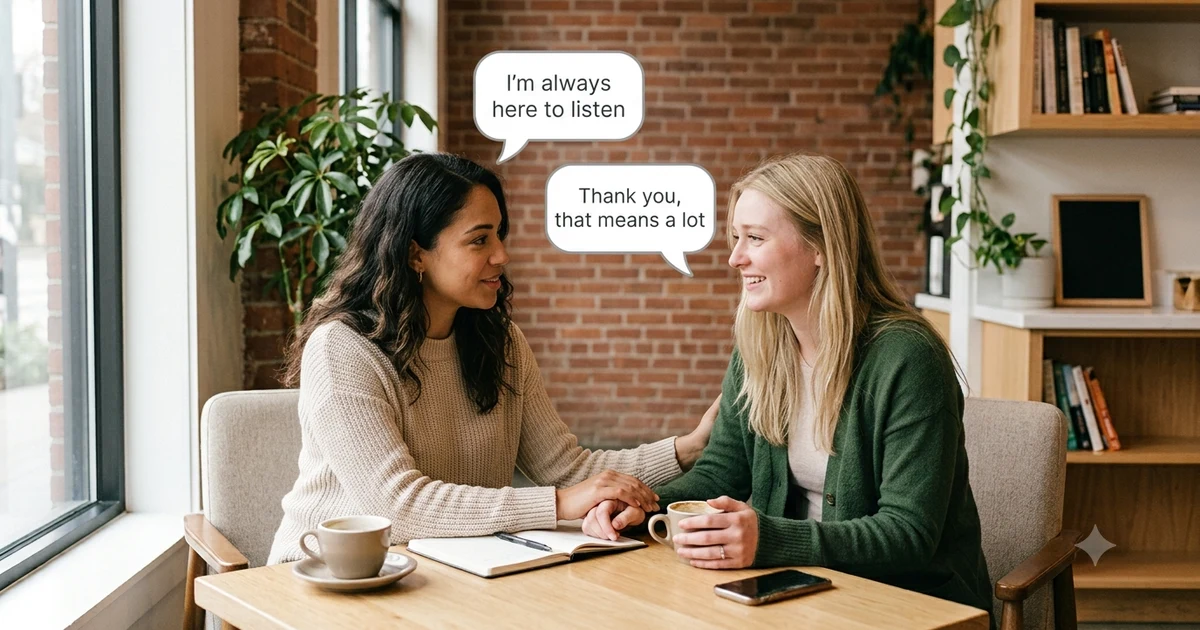
`When someone says thank you, most people automatically reply with you’re welcome. It works in almost every situation, but using the same phrase over and over can start to feel repetitive. Many people search for other ways to say you’re welcome because they want better alternatives for casual chats, professional conversations, customer service, texting, or everyday social interactions.
The good news is that English gives you plenty of natural alternatives. Some sound warm and friendly, some feel more professional, and others work better in informal texting or online conversations.
Thisguide covers the best alternatives, what each one means, when to use them, and which situations you should avoid.
Quick Answer
Other ways to say you’re welcome include no problem, happy to help, anytime, of course, my pleasure, glad I could help, and don’t mention it.
Each option carries a slightly different tone. Some feel casual and friendly, while others sound more formal or professional depending on the situation.
TL;DR
• It is a response used after someone says thank you
• Common alternatives include no problem and my pleasure
• Casual phrases work well in texting and everyday chat
• Professional alternatives fit workplace conversations
• Tone changes depending on context and relationship
• Some options feel formal, while others sound informal
What Other Ways to Say You’re Welcome Means
The phrase you’re welcome is a polite response people use after receiving thanks. It tells the other person that helping them was okay and appreciated.
But English speakers often replace it with other phrases to make conversations feel more natural.
For example:
• Helping a friend often sounds better with no problem
• In customer service, my pleasure sounds warmer
• In professional situations, happy to help feels polished
Different situations call for different wording.
Basic Explanation
At its core, this phrase simply means:
I appreciate your gratitude, and helping you was not a burden.
People often choose alternatives because language changes depending on:
• Relationship with the person
• Formality of the situation
• Tone of conversation
• Personal speaking style
Small wording changes can make conversations sound more natural.

How People Use It in Texting or Online Conversation
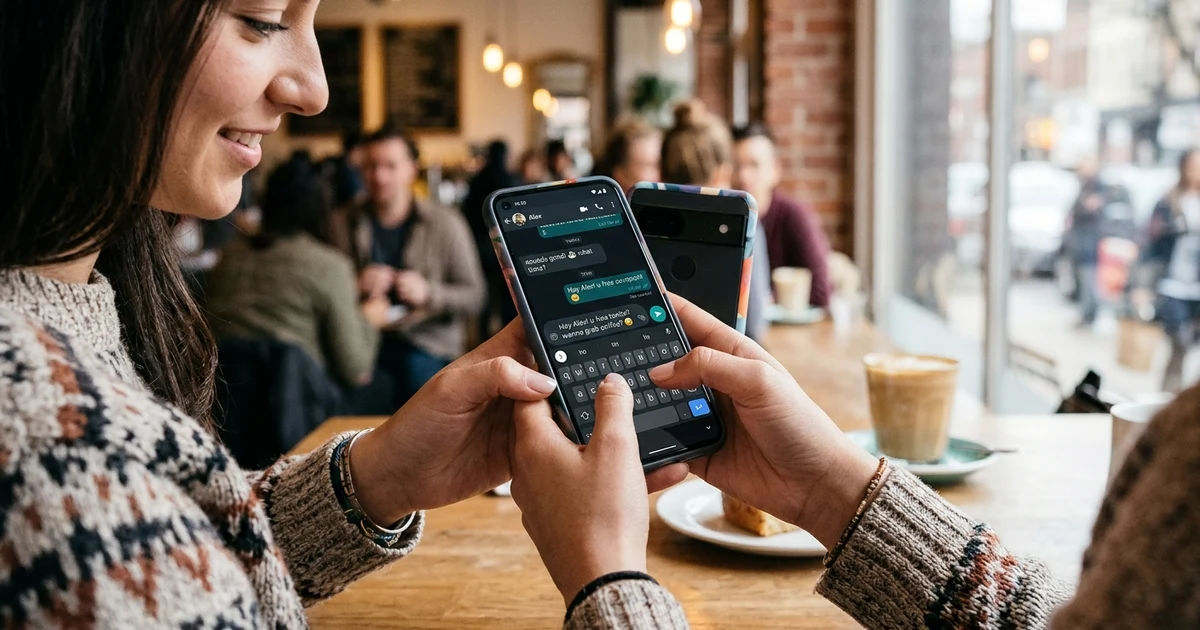
Texting and social media conversations often use shorter or more casual alternatives.
Common texting replies include:
• No worries
• Anytime
• Sure thing
• Of course
• All good
• Glad to help
Example in texting:
Person A: Thanks for sending me the notes
Person B: No worries
Example on social media:
Person A: Thanks for the recommendation
Person B: Happy to help
These feel more relaxed than the traditional response.
Tone and Emotional Meaning
Different alternatives carry different emotional tones.
Friendly tone:
• No problem
• Anytime
• Sure thing
Professional tone:
• Happy to help
• My pleasure
• Glad I could assist
Warm tone:
• Of course
• It was my pleasure
• I’m glad I could help
Neutral tone:
• You got it
• Not at all
• No worries
Tone matters more than many people realize.
Common Situations Where It Appears
People use alternatives in many everyday situations.
Common situations include:
• A friend thanks you for advice
• A coworker thanks you for helping with a task
• A customer thanks a service employee
• Someone appreciates help in an online chat
• A family member thanks you for doing something kind
• Social media followers thank you for information
Different settings often need different wording.
Examples in Real Conversations
Here are realistic examples used in everyday conversations.
Situation
Friend asks for help with homework
Example
Thanks for helping me understand this assignment
Response
No problem
Meaning
Casual and friendly response
Situation
Coworker appreciates assistance
Example
Thanks for finishing the report so quickly
Response
Happy to help
Meaning
Professional and polite
Situation
Customer service interaction
Example
Thank you for resolving my issue
Response
My pleasure
Meaning
Warm and service-oriented
Situation
Text conversation
Example
Thanks for sending the address
Response
Anytime
Meaning
Relaxed and casual
Similar Terms or Related Phrases
Several phrases have similar meanings but sound different.
| Phrase | Meaning | Tone |
|---|---|---|
| No problem | Helping was easy | Casual |
| My pleasure | I enjoyed helping | Formal |
| Anytime | I would help again | Friendly |
| Of course | It was expected | Warm |
| Happy to help | Glad I could assist | Professional |
| No worries | It is completely okay | Informal |
| Glad I could help | Satisfaction from helping | Friendly |
Choosing the right one improves communication.
When You Should Use It
Use alternative phrases when you want conversations to feel more natural.
Good situations include:
• Texting friends
• Replying online
• Workplace communication
• Helping customers
• Casual daily conversation
• Responding on social media comments
Using variety makes communication feel more authentic.
When You Should Avoid It
Some alternatives can sound too casual in serious situations.
Avoid casual replies like:
• No worries
• Sure thing
• You got it
In situations like:
• Formal business emails
• Academic writing
• Professional interviews
• Talking with senior executives
• Formal workplace communication
In those cases, use more professional wording.
Is It Formal or Informal
It depends on the phrase you choose.
Formal options:
• My pleasure
• Happy to help
• Glad I could assist
• It was my pleasure
Informal options:
• No problem
• No worries
• Anytime
• Sure thing
• You got it
Traditional you’re welcome works in both formal and informal situations.
Common Misunderstandings
People sometimes misunderstand certain alternatives.
For example:
No problem
Some older English speakers feel this suggests helping could have been a problem.
No worries
This sounds very casual and may feel unprofessional.
Anytime
Sometimes sounds overly relaxed in workplace settings.
Context changes how people interpret these phrases.
USA and Tier 1 Country Usage
In countries like the United States, Canada, Australia, and the United Kingdom, people use alternatives often in everyday conversation.
Common usage patterns:
United States
• No problem
• You got it
• Happy to help
Canada
• No worries
• Anytime
• Glad to help
Australia
• No worries
• Too easy
• All good
United Kingdom
• Not at all
• No problem
• Happy to help
Casual alternatives have become very common in modern English conversations.
Quick Reference Table
| Context | What It Means | Tone | Best Use | Avoid If |
|---|---|---|---|---|
| No problem | Helping was easy | Casual | Friends, texting | Formal email |
| My pleasure | Happy to assist | Formal | Customer service | Casual texting |
| Anytime | I can help again | Friendly | Friends, chat | Business meetings |
| Happy to help | Glad to assist | Professional | Workplace | Very casual chat |
| No worries | Everything is okay | Informal | Social media | Professional setting |
| Of course | Helping was natural | Warm | Daily conversation | Formal writing |
Conclusion
Learning other ways to say you’re welcome helps your conversations sound more natural and less repetitive. Different phrases work better depending on tone, relationship, and situation.
Casual conversations often sound better with no problem or anytime. Professional situations usually work better with happy to help or my pleasure.
Choosing the right response makes communication feel smoother and more authentic.
FAQs
What does other ways to say you’re welcome mean in text?
It refers to alternative phrases people use instead of saying you’re welcome after receiving thanks.
What are casual alternatives to you’re welcome?
Common casual options include no problem, no worries, anytime, and sure thing.
Is no problem rude?
Usually no. It sounds friendly in casual conversation, though some formal situations may prefer different wording.
Can I use my pleasure in professional messages?
Yes. It works very well in customer service and professional communication.
What is better than saying you’re welcome?
It depends on context. Happy to help, glad I could help, and of course are strong alternatives.
Is no worries professional?
Usually no. It sounds casual and works better with friends or informal online conversation.
Can I use these phrases on social media?
Yes. Casual alternatives like anytime, no worries, and glad to help work naturally on social media platforms.