The phrase as well as is common in everyday English. People use it in conversations, emails, academic writing, and casual messages. But repeating the same phrase too often can make writing feel repetitive.
If you searched for other ways to say as well as with examples, you probably want better alternatives that sound more natural in different situations. The good news is that English offers many options, and each one works slightly differently depending on tone and context.
This guide explains what the phrase means, when to use it, better alternatives, and practical examples you can use in real conversations and writing.
Quick Answer
As well as means in addition to, along with, or together with. People use it when connecting two ideas, people, or actions in the same sentence.
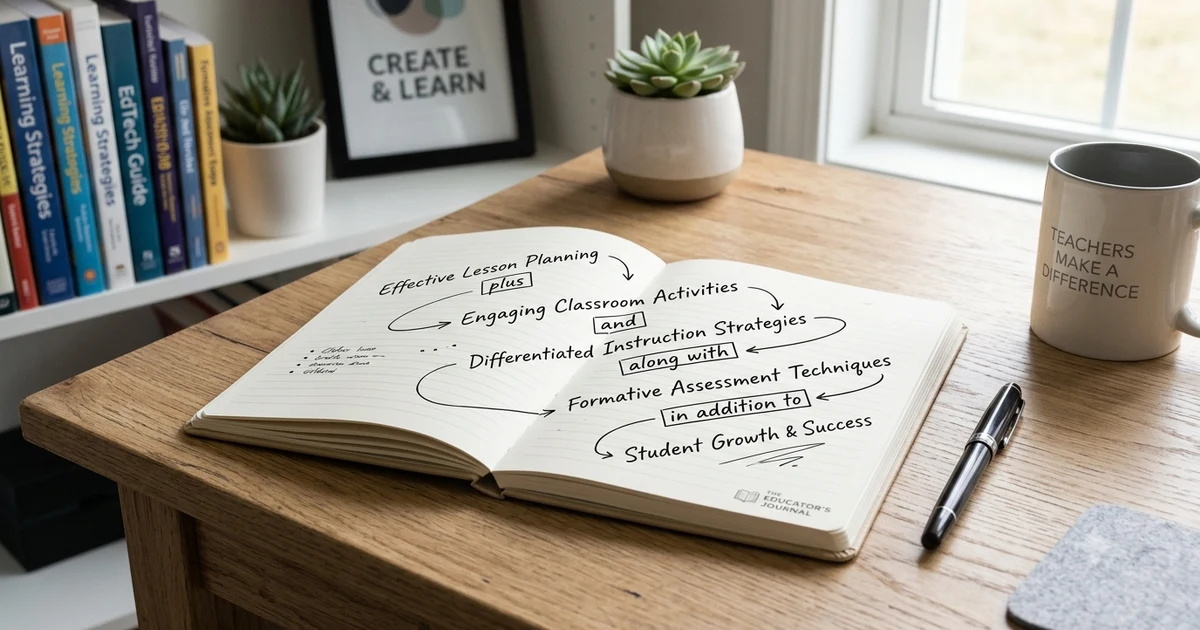
Instead of using it repeatedly, you can say and, along with, in addition to, plus, or besides, depending on the situation.
TL;DR
- Meaning: Used to connect similar ideas or add extra information
- Tone: Usually neutral and polite
- Common use: Writing, speaking, emails, school work
- Similar phrases: And, along with, plus, besides
- Formality: Works in both formal and informal English
- Best use: When adding related information naturally
What Other Ways to Say As Well As Means
Before looking at alternatives, it helps to understand the phrase itself.
As well as connects two related things while adding extra information.
Example:
Sarah speaks English as well as French.
Meaning:
Sarah speaks both English and French.
It often works like and, but sometimes adds slight emphasis to the second part.

Basic Explanation of As Well As
The phrase does not have a special abbreviation or slang meaning.
Its main purpose is to show addition.
Simple formula:
Subject + action + as well as + additional information
Example:
The company offers laptops as well as tablets.
This means the company offers both products.
It helps combine ideas without making a sentence longer than necessary.
How People Use It in Texting or Online Conversation
People use this phrase online when they want to add information naturally.
You will often see it in:
- Text messages
- Instagram captions
- Facebook comments
- Work chats
- Online discussions
- Blog writing
Examples:
I bought shoes as well as a new jacket.
She likes movies as well as documentaries.
We should invite Jake as well as Emma.
In casual texting, many people replace it with shorter alternatives.

Tone and Emotional Meaning
The phrase itself carries a neutral tone.
It usually sounds:
- Polite
- Clear
- Friendly
- Natural
- Professional
It does not sound rude, sarcastic, aggressive, or emotional.
However, people often choose alternatives depending on how formal or casual they want to sound.
For example:
Plus sounds more casual.
In addition to sounds more professional.
Common Situations Where It Appears
You will commonly see this phrase in everyday situations such as:
Professional communication
The company provides training as well as technical support.
School assignments
The essay discusses climate change as well as economic impact.
Casual conversations
I like coffee as well as tea.
Online writing
The app works on Android as well as iPhone.
Social media posts
She shares travel tips as well as photography advice.
Other Ways to Say As Well As
There are many alternatives depending on context.
| Alternative | Best Use | Tone |
|---|---|---|
| And | Everyday use | Neutral |
| Along with | Professional and casual | Neutral |
| In addition to | Formal writing | Professional |
| Plus | Casual conversation | Informal |
| Besides | Everyday speech | Casual |
| Together with | Formal writing | Professional |
| Including | Lists and details | Neutral |
| Not only but also | Emphasis | Strong |
Examples in Real Conversations
Here are practical examples.
Situation: Casual conversation
Example:
I ordered pizza plus some fries.
Meaning:
Extra food was added.
Situation: Workplace email
Example:
Please submit the report along with the presentation slides.
Meaning:
Send both documents.
Situation: Academic writing
Example:
The study focuses on mental health in addition to physical health.
Meaning:
The research covers both areas.
Situation: Friends chatting
Example:
I enjoy hiking besides playing basketball.
Meaning:
The person likes both activities.
Situation: Social media caption
Example:
This trip included beaches together with amazing local food.
Meaning:
Multiple enjoyable parts of the trip.
Similar Terms or Related Phrases
Some phrases are similar but not always interchangeable.
And
Most common alternative.
Example:
I bought coffee and tea.
Difference:
Very direct and simple.
Plus
More casual.
Example:
I need bread plus eggs.
Difference:
Better in informal speech.
Along with
Good for professional writing.
Example:
Send your resume along with your portfolio.
Difference:
Sounds more polished.
In addition to
Formal alternative.
Example:
The package includes support in addition to updates.
Difference:
Often used in business and academic writing.
When You Should Use It
Use this phrase when:
- Adding related information
- Connecting two similar ideas
- Writing naturally in emails
- Avoiding repetitive sentence structures
- Writing professional or academic content
Examples:
The course covers grammar as well as vocabulary.
We sell furniture as well as home decor.
When You Should Avoid It
Avoid using it when:
- Writing very casual text messages
- You already used it several times nearby
- Shorter wording sounds better
- The sentence feels overly formal
Example:
Instead of
I bought snacks as well as drinks
Try
I bought snacks and drinks
Or
I bought snacks plus drinks
Is It Formal or Informal
This phrase works in both situations.
Formal situations
- Business emails
- Reports
- Academic writing
- Presentations
Example:
The project requires planning as well as execution.
Informal situations
- Texting
- Casual conversation
- Social media comments
- Group chats
Example:
I watch soccer as well as basketball.
Because it works everywhere, many people use it frequently.
Common Misunderstandings
Some people think as well as always means exactly the same as and.
That is not always true.
Sometimes it gives extra emphasis.
Example:
The CEO as well as the managers attended the meeting.
This sentence places more focus on the CEO first.
If you simply use and, the emphasis changes slightly.
Context matters.
USA and Tier 1 Country Usage
In countries like the United States, Canada, the UK, and Australia, people understand this phrase easily.
Common usage patterns include:
In American English
Very common in writing and workplace communication.
In British English
Frequently used in formal writing and education.
In online conversation
Often replaced with simpler alternatives like:
- Plus
- And
- Also
English speakers generally understand all versions naturally.
Quick Reference Table
| Context | What It Means | Tone | Best Use | Avoid If |
|---|---|---|---|---|
| Business email | Add extra information | Professional | Workplace writing | Casual texting |
| Everyday speech | Connect ideas | Neutral | Daily conversation | Very short replies |
| Academic writing | Add related topic | Formal | Essays, reports | Informal chat |
| Social media | Mention additional detail | Casual | Posts, captions | Formal documents |
| Text messages | Extra information | Informal | Friendly chats | Professional communication |
Conclusion
Understanding other ways to say as well as with examples helps improve both writing and communication.
While as well as is useful and widely accepted, repeating it too often can make sentences feel repetitive. Alternatives such as and, along with, plus, besides, and in addition to often sound better depending on the situation.
Choosing the right option depends on tone, context, and whether your communication is formal or casual.
FAQs
What does as well as mean in simple words?
It means adding something extra or including another related thing.
What can I say instead of as well as?
You can use and, plus, along with, besides, or in addition to.
Is as well as formal or informal?
It works in both formal and informal English.
Can I use as well as in professional writing?
Yes. It sounds natural in emails, reports, and business communication.
Is as well as the same as and?
They are similar, but as well as sometimes adds extra emphasis.
Is plus better than as well as?
Plus sounds more casual, while as well as sounds more neutral.
Can I use as well as in text messages?
Yes, but shorter alternatives like and or plus are more common in casual texting.