
Sometimes, saying happy to assist can feel repetitive, especially in emails, customer service replies, workplace chats, or everyday conversations. If you use it often, you may want alternative phrases that sound more natural, professional, friendly, or polished.
Knowing other ways to say happy to assist helps you communicate better while matching the right tone for different situations. Whether you are replying to a client, helping a coworker, or responding casually online, there are many better options depending on context.
Quick Answer
Happy to assist means you are willing and glad to help someone. People often use it in professional communication, customer support, workplace emails, and polite conversations.
Some common alternatives include:
- Glad to help
- Happy to help
- My pleasure
- I’d be glad to help
- Always here to help
- Happy to support
The best choice depends on how formal or casual the situation is.
TL;DR
- It means you are willing to help someone
- Usually sounds polite and professional
- Common in emails and customer support replies
- Often used in workplace communication
- Usually formal but can work casually
- Many alternatives sound more natural in daily conversation
What Other Ways to Say Happy to Assist Means
The phrase happy to assist shows willingness to help while sounding polite and professional.
People use it when:
- Answering a question
- Offering support
- Responding to a request
- Helping a customer
- Assisting coworkers at work
It tells the other person that helping them is not a burden.
In simple words, it means:
I am glad to help you.
Professional Alternatives to Happy to Assist
If you communicate with clients, managers, or coworkers, professional alternatives can make your messages sound clear and courteous. Phrases such as glad to help, pleased to assist, and happy to support you work well in business emails. For example, you can write, I am glad to help with your request, when responding to a colleague who needs assistance.
Basic Explanation of the Phrase
Unlike internet abbreviations or slang, happy to assist is a complete phrase.
It combines two ideas:
Happy
Shows a positive attitude
Assist
Means to help or support someone
Together, it creates a polite way to say you are willing to help.
This phrase appears most often in:
- Business communication
- Customer support emails
- Professional conversations
- Workplace chat platforms
- Formal online conversations

How People Use It in Texting or Online Conversation
While this phrase sounds professional, people also use it online in polite conversations.
You might see it in:
Email replies
I reviewed the document and I am happy to assist further.
Customer service chat
Happy to assist with your order issue.
LinkedIn messages
Feel free to reach out. Happy to assist.
Online business communication
Thanks for contacting us. We are happy to assist.
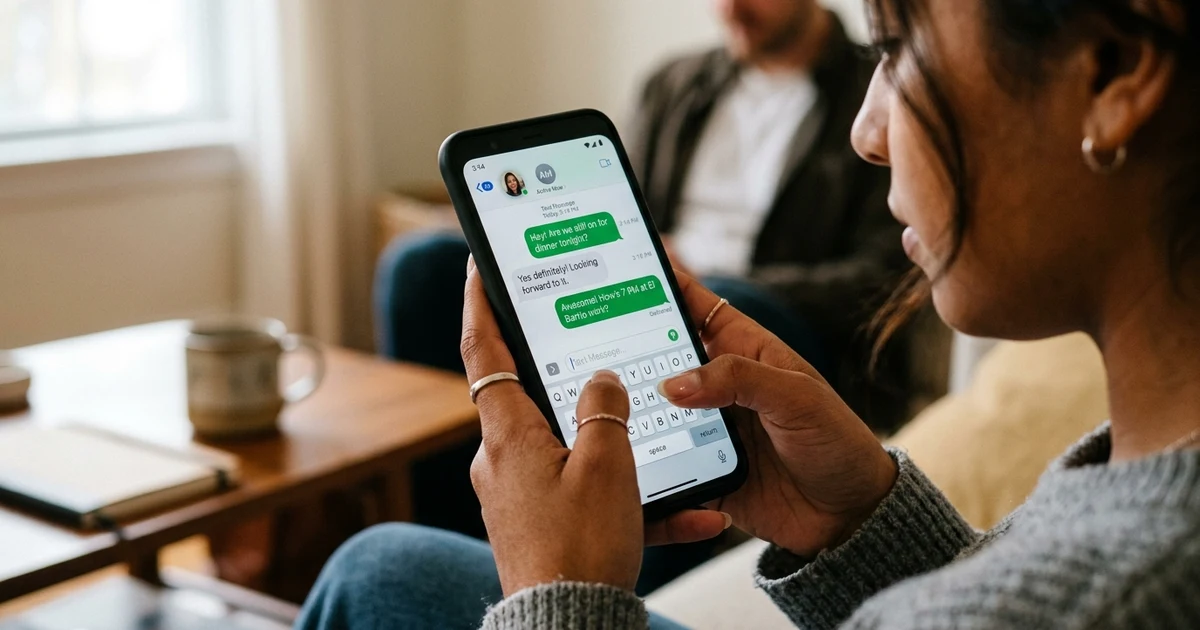
In casual texting, people often choose shorter alternatives.
Tone and Emotional Meaning
This phrase usually carries a positive tone.
It can sound:
- Professional
- Friendly
- Respectful
- Supportive
- Polite
- Service-oriented
It rarely sounds rude.
However, if overused repeatedly, it can begin sounding scripted.
Friendly Ways to Say Happy to Assist
In casual conversations, friendly expressions often sound more natural than formal business language. You can say, Of course, I can help, or Feel free to reach out if you need anything else. These alternatives are useful when talking to teammates, friends, or familiar customers because they communicate a welcoming attitude without sounding overly formal.
Common Situations Where It Appears
You will often see this phrase in situations like these.
Workplace Communication
Helping coworkers with tasks or answering internal questions.
Customer Service
Responding to customer concerns or solving issues.
Professional Emails
Replying politely after someone asks for help.
Business Support Teams
Used by technical support, consultants, and service agents.
Networking Conversations
Offering professional guidance on platforms like LinkedIn.
Formal Alternatives for Business Emails
Formal communication sometimes requires a more polished expression, especially when responding to senior colleagues, business partners, or important clients. Consider phrases such as I would be pleased to assist, I am available to provide support, or Please let me know how I may help. These options maintain a respectful tone while making your willingness to help clear.
Examples in Real Conversations
Here are practical examples people commonly use.
Situation
A client needs information.
Example
I reviewed your request and I am happy to assist with the next steps.
Meaning
Professional support.
Situation
A friend asks for advice.
Example
Of course, happy to help anytime.
Meaning
Friendly willingness to help.
Situation
Customer support reply.
Example
Thank you for reaching out. I am happy to assist with your account issue.
Meaning
Polite customer service response.
Situation
Coworker needs help.
Example
I can take a look at that. Glad to help.
Meaning
Friendly workplace support.
Customer Service Alternatives to Happy to Assist
Customer service representatives often need to reassure customers that their questions and concerns matter. Instead of repeating happy to assist, you can use I am here to help, I would be glad to look into this for you, or Please let me know if you need further assistance. Choose wording that matches the support you can actually provide and avoid promising a result you cannot guarantee.
Similar Terms or Related Phrases
There are many alternatives depending on the tone you want.
| Phrase | Meaning | Tone |
|---|---|---|
| Happy to help | General help | Friendly |
| Glad to help | Positive support | Casual |
| My pleasure | Helping politely | Formal |
| Happy to support | Offering assistance | Professional |
| Here to help | Available for help | Neutral |
| I’d be glad to help | Offering assistance politely | Formal |
| No problem | Casual assistance | Informal |
When You Should Use It
This phrase works best in situations like:
- Business emails
- Customer support responses
- Workplace communication
- Professional messaging
- Responding to polite requests
- Formal online conversations
It works well when you want to sound respectful.
How to Choose the Best Alternative
The best alternative depends on your audience, the situation, and the tone you want to convey. Glad to help works well for everyday workplace conversations, while pleased to assist suits more formal business messages. If you want to sound warm and approachable, I am always happy to help may be appropriate when you genuinely mean it. Matching the expression to the situation makes your communication feel natural and sincere.
When You Should Avoid It
Sometimes this phrase may not fit naturally.
Avoid it when:
- Talking casually with close friends
- Sending playful text messages
- Writing very informal social media comments
- Using repeated customer service templates
- Trying to sound personal rather than corporate
In casual conversations, it can feel overly formal.
Is It Formal or Informal
Happy to assist is mostly a formal or semi-formal phrase.
Professional settings
Very appropriate
Workplace communication
Appropriate
Customer service emails
Very common
Casual texting
Sometimes sounds too formal
Social media comments
Usually uncommon
For casual texting, shorter alternatives feel more natural.
Common Misunderstandings
People sometimes misunderstand the phrase because tone changes with context.
Possible misunderstandings include:
It sounds robotic
This happens when companies use it repeatedly.
It feels too formal
In casual conversations, it may sound stiff.
It can feel scripted
Especially in customer support messages.
Context changes how people interpret it.
USA and Tier 1 Country Usage
In countries like the United States, Canada, United Kingdom, and Australia, people commonly understand this phrase as professional and polite.
It is especially common in:
- Corporate workplaces
- Customer service departments
- Business emails
- Professional networking conversations
- Help desk communication
In everyday casual speech, people usually prefer shorter phrases.
Examples:
- Glad to help
- No problem
- Happy to help
- Anytime
Quick Reference Table
| Context | What It Means | Tone | Best Use | Avoid If |
|---|---|---|---|---|
| Work Email | Offering help | Professional | Office communication | Casual chat |
| Customer Support | Assisting customers | Formal | Service replies | Friends texting |
| Online Business Chat | Willingness to help | Polite | Professional messaging | Playful conversation |
| Team Communication | Supporting coworkers | Friendly professional | Workplace chats | Informal texting |
| Casual Conversation | Helping someone | Slightly formal | Limited use | Very casual messages |
Better Alternatives You Can Use
If you want different ways to say the same thing, try these.
- Glad to help
- Happy to help
- My pleasure
- Always here to help
- I can help with that
- I would be glad to help
- Feel free to ask
- I am available if you need help
- Happy to support
- Happy to lend a hand
Choose based on the tone you want.
Conclusion
Learning other ways to say happy to assist helps you sound more natural in different conversations. While the phrase works well in professional communication, repeating it too often can make your writing feel stiff.
Choosing alternatives like glad to help, my pleasure, happy to support, or always here to help allows you to match the right tone for work, online conversation, customer service, and everyday communication.
The best phrase depends on who you are talking to and how formal the situation feels.
FAQs
What does happy to assist mean in text?
It means the person is willing and glad to help you.
Is happy to assist formal?
Yes, it is usually formal or semi-formal.
Can I use happy to assist in professional messages?
Yes, it works well in emails, workplace chats, and customer service communication.
Is happy to assist rude?
No. It usually sounds polite and respectful.
What is the difference between happy to assist and happy to help?
The meaning is almost the same. Happy to assist sounds slightly more professional.
Can I use happy to assist in casual texting?
You can, but it may sound too formal with close friends.
What are better alternatives to happy to assist?
Good alternatives include glad to help, my pleasure, here to help, and happy to support.