Have you ever wanted to ask the price of something without always saying how much? Or maybe you wanted a more polite, professional, or natural way to ask about cost, quantity, or value.
Learning other ways to say how much can make your conversations sound more fluent and natural. Whether you’re shopping, sending an email, negotiating a price, or chatting with friends, using the right phrase helps you communicate clearly and confidently.
This guide explains the best alternatives, when to use them, and includes plenty of real-life examples.
Quick Answer
Other ways to say how much include phrases like what is the price, how many, what does it cost, what is the total, what’s the charge, how expensive is it, and could you tell me the cost. The best alternative depends on whether you’re asking about price, quantity, value, or payment in a casual or formal conversation.
TL;DR
- Meaning: Alternatives used instead of asking how much.
- Tone: Can be casual, polite, formal, or professional.
- Common use: Shopping, emails, texting, restaurants, and business conversations.
- Where it appears: Everyday conversations, online stores, customer service, and workplaces.
- Formal or informal: Both, depending on the phrase you choose.
What Other Ways to Say How Much Means
The phrase how much usually asks about one of three things:
- The price of something.
- The quantity of something that cannot be counted individually.
- The value, amount, or degree of something.
Instead of repeating the same phrase every time, English speakers often choose different expressions that better fit the situation.
For example:
- What is the price of this jacket?
- What does delivery cost?
- How many tickets are left?
- What’s the total for my order?
- Could you tell me the cost?
Each version sounds slightly different, even though the goal is similar.
Why Use an Alternative Instead of Saying How Much?
Changing your wording can make your English sound more natural.
You might choose another phrase because you want to:
- Sound more polite.
- Be more professional.
- Avoid repeating the same words.
- Match the situation.
- Speak more naturally with native English speakers.
For example, asking a coworker:
Could you tell me the total cost?
sounds more professional than simply saying:
How much?
Likewise, in a store, saying:
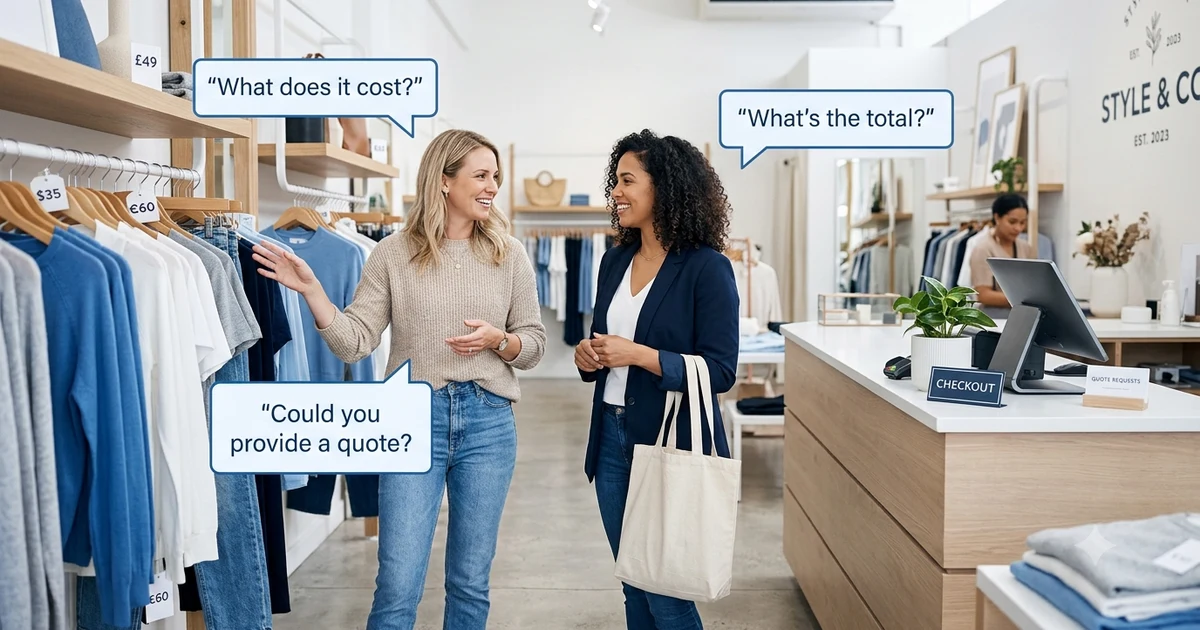
What does this cost?
sounds more conversational.
75 Other Ways to Say How Much With Examples
Below are some of the most useful alternatives grouped by meaning and everyday use.
| Alternative | Best Used For | Example |
|---|---|---|
| What is the price? | Shopping | What is the price of this laptop? |
| What does it cost? | Everyday conversation | What does shipping cost? |
| How expensive is it? | Casual | How expensive is that hotel? |
| What’s the total? | Checkout | What’s the total for everything? |
| What’s the charge? | Bills and services | What’s the charge for installation? |
| Could you tell me the cost? | Formal | Could you tell me the cost of membership? |
| What’s the asking price? | Buying property or cars | What’s the asking price for the house? |
| What will I owe? | Payments | What will I owe after tax? |
| What’s the fee? | Services | What’s the registration fee? |
| What’s the rate? | Hourly services | What’s your hourly rate? |
| What’s the amount? | Finance | What’s the amount due? |
| What’s the bill? | Restaurants | What’s the bill for our table? |
| How much does this come to? | Checkout | How much does this come to with tax? |
| What’s the final price? | Negotiation | What’s the final price after the discount? |
| What do I need to pay? | Everyday | What do I need to pay today? |
| How many? | Countable items | How many chairs do we need? |
| How many are left? | Quantity | How many seats are left? |
| What’s the quantity? | Inventory | What’s the quantity available? |
| How large is the amount? | Formal | How large is the amount owed? |
| What’s the value? | Business | What’s the value of the property? |
| How big is the discount? | Sales | How big is the discount today? |
| What’s your price? | Negotiation | What’s your price for this project? |
| How much will that be? | Ordering | How much will that be altogether? |
| What’s the estimate? | Services | What’s the estimate for repairs? |
| What’s the quote? | Professional | Can you send me a quote? |
More Alternatives With Examples
1. What does this cost?
Best for everyday conversations.
Example:
Customer: What does this backpack cost?
Store employee: It’s $65.
2. What is the total?
Useful when paying for several items.
Example:
Cashier: Your groceries are ready.
Customer: What is the total?
3. What’s the final amount?
Common in billing and invoices.
Example:
Could you confirm the final amount before I pay?
4. Could you give me a price?
A polite request when asking for pricing.
Example:
Could you give me a price for replacing the screen?
5. What’s your rate?
Often used for freelancers and professionals.
Example:
What’s your hourly rate for consulting?
6. How many do you need?
Used when talking about countable items.
Example:
How many boxes should I order?
7. How much do I owe?
Natural after receiving a service.
Example:
Thanks for fixing my bike. How much do I owe?
8. What’s the cost?
Short and clear.
Example:
What’s the cost of overnight shipping?
9. Can I get a quote?
Professional and business-friendly.
Example:
Can I get a quote for office furniture?
10. What will the total be?
Useful before completing a purchase.
Example:
What will the total be after the discount?
11. What’s the payment amount?
Common in banking and finance.
Example:
What’s the payment amount due this month?
12. What’s the selling price?
Used when buying products.
Example:
What’s the selling price of this phone?
13. What’s the list price?
Common in retail and business.
Example:
What’s the list price before promotions?
14. What’s the market value?
Useful for homes, cars, and investments.
Example:
What’s the current market value of the property?
15. What’s the going rate?
Used when asking about common prices.
Example:
What’s the going rate for wedding photographers in Chicago?
16. What are you charging?
Natural for services.
Example:
What are you charging for website design?
17. Could you tell me the amount due?
Professional and polite.
Example:
Could you tell me the amount due before Friday?
18. What’s the price tag?
Casual shopping expression.
Example:
What’s the price tag on that coat?
19. What will this run me?
A casual American English expression.
Example:
What will this run me altogether?
20. What’s the damage?
An informal and slightly humorous way to ask the price.
Example:
I know it’s expensive. What’s the damage?
Choosing the Right Alternative
Not every phrase fits every situation. Here are some simple guidelines.
Shopping
- What does it cost?
- What’s the price?
- What’s the total?
- What’s the final price?
Business
- Could you provide a quote?
- What’s your rate?
- Could you tell me the total cost?
- What’s the estimated cost?
For Restaurants
- What’s the bill?
- What’s the total?
- How much do I owe?
For Casual Conversations
- What will this cost?
- How much will that be?
- What’s the damage?
- What will this run me?
How People Use These Alternatives in Texting and Online Conversations
People often shorten their messages when chatting online, but they still use a variety of phrases instead of simply asking how much. The right wording depends on who you’re talking to and the situation.
Casual Text Messages
When texting friends or family, people usually keep things brief.
Examples:
- What does it cost?
- How much is it now?
- What’s the total?
- What’s the price?
- How much will it be with shipping?
- What do I owe you?
These questions sound natural and friendly without being overly formal.
Social Media Marketplaces
If you’re buying something through Facebook Marketplace, Craigslist, or another local selling platform, you might ask:
- Is the price firm?
- What’s your asking price?
- What’s the lowest you’ll take?
- Does the listed price include delivery?
- What’s your best price?
These expressions are common when negotiating with private sellers.
Online Shopping
Before placing an order, buyers often ask:
- Does the price include tax?
- How much is shipping?
- What’s the total after discounts?
- Is there an extra fee?
- What’s the final cost?
These questions help avoid surprises during checkout.
Tone and Emotional Meaning
Different alternatives create different impressions. Choosing the right one helps your message sound polite, confident, or professional.
| Expression | Tone | Best Used For |
|---|---|---|
| What does it cost? | Neutral | Everyday conversations |
| Could you tell me the cost? | Polite | Business emails |
| What’s the total? | Friendly | Restaurants and stores |
| What’s your rate? | Professional | Freelancers and consultants |
| What’s the damage? | Humorous | Friends and informal chats |
| What do I owe? | Friendly | Paying someone back |
| What’s your asking price? | Business-like | Buying vehicles or property |
| Can I get a quote? | Professional | Services and projects |
Common Situations Where These Alternatives Appear
You’ll hear these phrases in many everyday situations.
Shopping
- Asking about clothing prices.
- Comparing electronics.
- Buying furniture.
- Checking grocery totals.
Restaurants
- Asking for the bill.
- Confirming the total.
- Splitting a payment.
Travel
- Hotel reservations.
- Airline tickets.
- Car rentals.
- Tour packages.
Business
- Project estimates.
- Service pricing.
- Freelance work.
- Contractor quotes.
Healthcare
- Medical consultations.
- Dental procedures.
- Prescription costs.
- Insurance payments.
Education
- Course fees.
- Tuition costs.
- Registration charges.
- Exam fees.
Examples in Real Conversations
Below are practical conversations that show how native English speakers naturally ask about price, cost, or amount.
Situation: Buying Shoes
Example
Customer: What does this pair cost?
Employee: They’re $95.
Meaning
The customer is asking for the selling price.
Situation: At a Restaurant
Example
Customer: Could we get the bill?
Server: Of course. I’ll bring it right over.
Meaning
The customer wants to know the total payment.
Situation: Hiring a Photographer
Example
Client: What’s your rate for a full-day event?
Photographer: My standard rate is $1,200.
Meaning
The client is asking about professional pricing.
Situation: Paying a Friend Back
Example
Friend: I grabbed the movie tickets.
You: Thanks. What do I owe you?
Meaning
You’re asking how much money you should repay.
Situation: Getting a Repair Estimate
Example
Customer: Could you give me a quote for repairing my laptop?
Technician: I’ll inspect it first and send you an estimate this afternoon.
Meaning
The customer wants an estimated cost before approving the repair.
Situation: Shopping Online
Example
Buyer: Does the listed price include shipping?
Seller: Shipping costs an additional $12.
Meaning
The buyer wants to know the full amount.
Situation: Booking a Hotel
Example
Traveler: What’s the nightly rate?
Receptionist: It’s $185 per night.
Meaning
The traveler is asking about the room price.
Situation: Buying a Used Car
Example
Buyer: What’s your asking price?
Seller: I’m asking $13,500.
Meaning
The buyer wants to know the seller’s expected price.
Similar Terms and Related Phrases
Several English expressions have similar meanings, but they aren’t always interchangeable.
How Much vs. What Does It Cost?
How much
- More general.
- Can ask about price or quantity.
What does it cost?
- Refers only to price.
Example:
How much water do you drink?
What does this bottle cost?
How Much vs. How Many
People often confuse these two.
How much
Use for things you cannot count individually.
Examples:
- How much sugar?
- How much money?
- How much time?
How many
Use for countable items.
Examples:
- How many books?
- How many people?
- How many chairs?
Cost vs. Price
These words are related but not identical.
Price
Usually refers to what a customer pays.
Cost
Can refer to the expense of producing or purchasing something.
Example:
The price of the laptop is $900.
The company reduced production costs.
Rate vs. Fee
Rate
Usually means payment based on time or quantity.
Examples:
- Hourly rate
- Daily rate
Fee
Usually means a fixed payment.
Examples:
- Membership fee
- Registration fee
- Service fee
When You Should Use These Alternatives
Choosing the right phrase depends on the situation.
Use What does it cost? when:
- Shopping.
- Asking about products.
- Talking casually.
Use Could you tell me the cost? when:
- Writing professional emails.
- Speaking with customer service.
- Asking for formal information.
Use What’s your rate? when:
- Hiring freelancers.
- Booking consultants.
- Working with contractors.
Use Can I get a quote? when:
- Planning renovations.
- Requesting business services.
- Comparing multiple providers.
Use What do I owe? when:
- Paying a friend back.
- Settling a restaurant bill.
- Paying after receiving a service.
When You Should Avoid Certain Expressions
Some alternatives fit only informal situations.
Avoid What’s the damage? when:
- Speaking with customers.
- Writing business emails.
- Talking to your boss.
- Attending interviews.
Although it’s humorous, some people may think it sounds sarcastic.
Avoid What’s your best price? if:
- The price is clearly fixed.
- Negotiation isn’t appropriate.
- You’re speaking with luxury retailers or government offices.
Avoid How much? by itself in formal settings.
Instead, write:
- Could you tell me the total cost?
- May I ask about the pricing?
- Could you provide an estimate?
These sound more polite and professional.
Is It Formal or Informal?
The best alternative depends on who you’re speaking to and the setting. Some expressions work well in professional environments, while others are better suited for casual conversations.
Formal Alternatives
These phrases are appropriate for business emails, customer service, workplaces, and official communication.
- Could you tell me the cost?
- May I ask about the pricing?
- Could you provide a quote?
- What is the total cost?
- What is the estimated cost?
- Could you confirm the amount due?
- What is your hourly rate?
These options sound polite and professional without being overly formal.
Informal Alternatives
Friends, family, and casual conversations often call for simpler language.
- What does it cost?
- How much will it be?
- What do I owe you?
- What’s the total?
- What’s the price?
- How expensive is it?
These expressions feel natural in everyday English.
Very Casual or Slang Expressions
A few alternatives are common in relaxed conversations but should stay out of professional settings.
- What’s the damage?
- What will this run me?
- What’s your best price?
They can sound friendly or humorous, but they may also seem too casual depending on the context.
Common Misunderstandings
Although asking about price seems straightforward, some phrases can confuse listeners if they’re used in the wrong situation.
Using How Much Instead of How Many
This is one of the most common mistakes made by English learners.
Correct:
- How much milk do we need?
- How many bottles do we need?
Milk is uncountable, while bottles are countable.
Assuming Cost and Price Mean Exactly the Same Thing
People often use these words interchangeably, but there is a slight difference.
- Price usually refers to the amount a customer pays.
- Cost often refers to the expense of making or providing something.
In everyday conversations, either word is usually understood.
Using Slang in Professional Settings
Expressions like What’s the damage? or What will this run me? may sound natural among friends but can seem unprofessional in a business meeting or formal email.
Forgetting Context
The same question can have different meanings.
For example:
How much time do you have?
asks about time.
How much money do you have?
asks about an amount of money.
How much is the ticket?
asks about price.
Always consider the context before choosing an alternative.
USA and Tier 1 Country Usage
If you’re speaking with native English speakers in the United States, Canada, the United Kingdom, Australia, or New Zealand, you’ll hear many different ways to ask about price or quantity.
Some expressions are especially common across these countries.
Frequently Used
- What does it cost?
- What’s the price?
- What’s the total?
- How much will it be?
- What do I owe?
- What’s your rate?
- Can I get a quote?
More Common in American English
- What will this run me?
- What’s the damage?
- What’s your best price?
These phrases are widely understood in the U.S. and Canada and may also be recognized in other English-speaking countries, though they are generally more casual.
Common in Professional English
Businesses around the world often use phrases such as:
- Could you provide a quote?
- What is the estimated cost?
- Could you confirm the amount due?
- What are your service rates?
These expressions are clear, polite, and suitable for international communication.
Quick Reference Table
| Context | Best Alternative | Tone | Best Use | Avoid If |
|---|---|---|---|---|
| Shopping | What does it cost? | Neutral | Asking product prices | You need a formal request |
| Restaurant | What’s the total? | Friendly | Paying the bill | Formal business settings |
| Paying a friend | What do I owe you? | Casual | Repaying someone | Official communication |
| Business email | Could you tell me the cost? | Professional | Pricing requests | Casual texting |
| Freelance work | What’s your rate? | Professional | Service pricing | Buying retail products |
| Home repairs | Can I get a quote? | Professional | Estimates | Purchasing inexpensive items |
| Negotiation | What’s your asking price? | Neutral | Cars, homes, collectibles | Fixed-price stores |
| Casual conversation | How much will it be? | Friendly | Everyday purchases | Formal reports |
| Humor | What’s the damage? | Informal | Friends | Professional meetings |
Conclusion
Learning other ways to say how much with examples can make your English sound more natural, confident, and appropriate for different situations. While how much is a perfectly correct phrase, using alternatives like What does it cost?, What’s the total?, Could you provide a quote?, or What do I owe? allows you to match your words to the conversation.
Whether you’re shopping, writing a professional email, asking for a service estimate, or chatting with friends, choosing the right expression helps you communicate clearly. The more you practice these alternatives, the more natural they’ll become in everyday conversations.
FAQs
What are other ways to say how much?
Some common alternatives include:
- What does it cost?
- What is the price?
- What’s the total?
- Could you tell me the cost?
- What do I owe?
- Can I get a quote?
- What’s your rate?
Each works best in a different situation.
What does other ways to say how much mean?
It refers to different words or phrases you can use instead of saying how much when asking about price, quantity, value, or payment.
Is how much formal or informal?
The phrase itself is neutral. It works in both casual and formal situations, although professional settings often call for more polite alternatives such as Could you tell me the cost? or Could you provide a quote?
What is the most polite way to ask how much something costs?
Some of the most polite options are:
- Could you tell me the cost?
- May I ask about the pricing?
- Could you provide a quote?
- What is the total cost?
These expressions are appropriate in business and customer service conversations.
Can I use What’s the damage in professional communication?
No. This expression is informal and slightly humorous. It’s best reserved for conversations with friends or people you know well.
What is the difference between how much and what does it cost?
How much can ask about price, quantity, or amount.
What does it cost? only asks about the price of something.
Which alternative sounds most natural in everyday English?
For most everyday situations, native English speakers commonly use:
- What does it cost?
- What’s the price?
- How much will it be?
- What’s the total?
- What do I owe?