
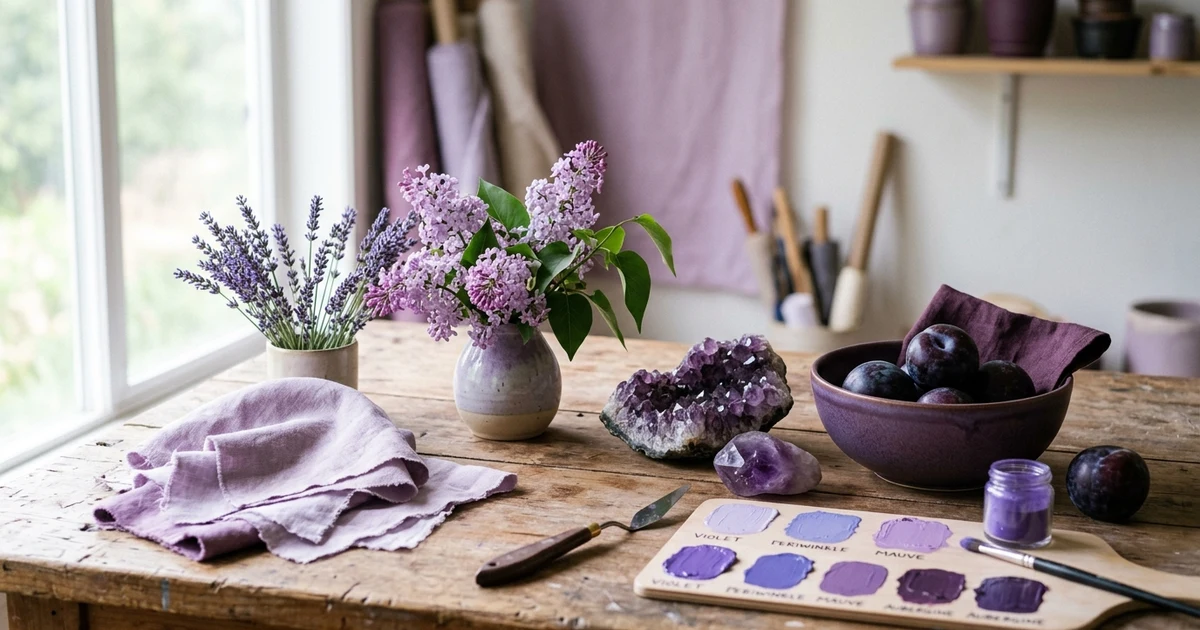
Purple is a versatile color that can suggest richness, calmness, creativity, elegance, mystery, or softness depending on the shade and context. If you are looking for other ways to say purple, you can use specific color names, descriptive phrases, or comparisons instead of repeating the same word.
The best alternative depends on the exact shade. A deep purple can be described as plum, eggplant, or royal purple, while a pale version may fit lavender, lilac, or mauve. Below are natural options for writing, design, fashion, art, descriptions, captions, and everyday conversation.
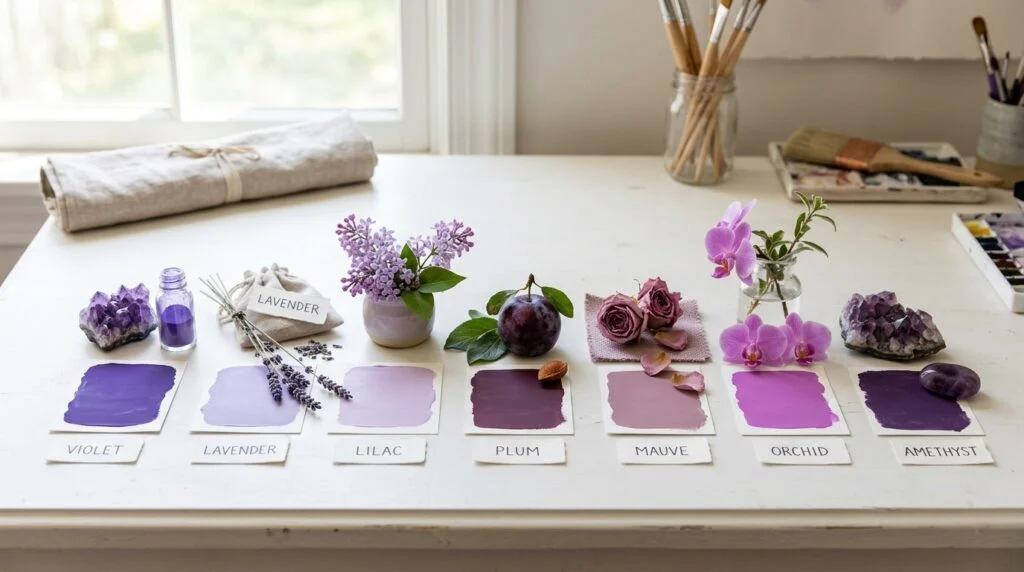
Other Ways to Say Purple
When you simply want a different name for purple, choose a term that matches the shade rather than using a random synonym.
- Violet
- Lavender
- Lilac
- Plum
- Mauve
- Orchid
- Amethyst
- Eggplant
- Grape
- Mulberry
- Heather
- Periwinkle
- Wisteria
- Fuchsia
- Magenta
- Wine purple
- Royal purple
- Deep purple
- Dusty purple
- Soft purple
- Rich purple
- Muted purple
- Pastel purple
- Dark violet
- Light violet
Some of these terms describe colors that sit close to purple rather than being exact synonyms. That distinction matters when you need a precise description.
Different Names for Light Purple
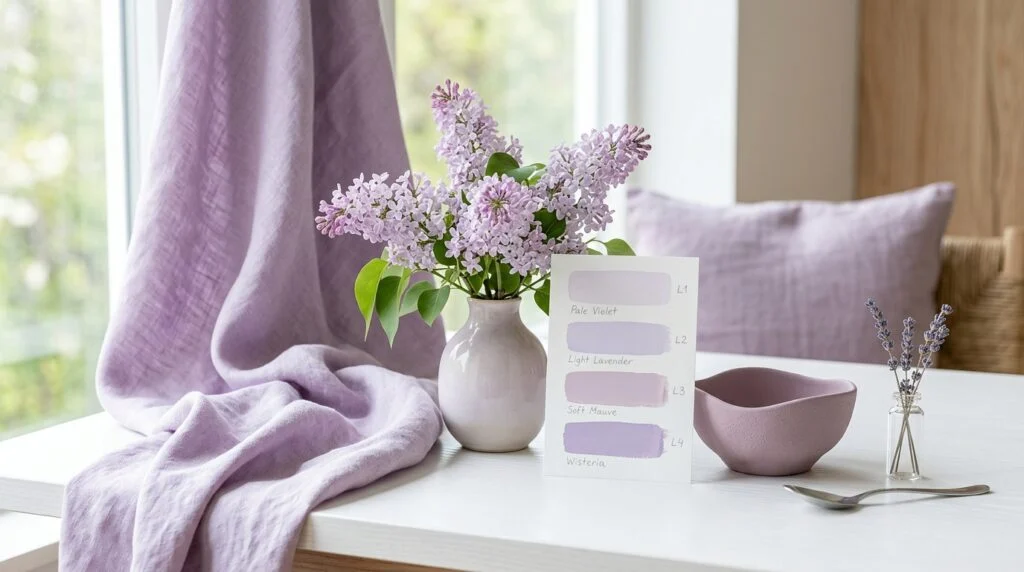
Light purple has a softer appearance and often works well for clothing, interiors, flowers, artwork, and delicate visual descriptions.
- Lavender
- Lilac
- Pale violet
- Soft violet
- Light violet
- Dusty lilac
- Pastel purple
- Misty purple
- Powder purple
- Soft mauve
- Pale orchid
- Light amethyst
- Lavender haze
- Lilac mist
- Faded violet
For a simple everyday description, lavender and lilac are among the most recognizable choices.
Different Names for Dark Purple
Dark purple can look dramatic, luxurious, mysterious, or sophisticated. More specific names make descriptions feel more precise.
- Plum
- Eggplant
- Aubergine
- Deep violet
- Royal purple
- Imperial purple
- Dark amethyst
- Mulberry
- Blackberry
- Grape
- Wine purple
- Blackened purple
- Midnight violet
- Deep plum
- Rich violet
- Dusky purple
For example, a dark purple dress could be described as a deep plum dress or a rich violet dress when those descriptions match the actual color.
Elegant Ways to Describe Purple
When writing about fashion, interiors, artwork, or luxury products, a more descriptive phrase can sound polished without becoming overly complicated.
- Rich violet
- Regal purple
- Royal violet
- Deep amethyst
- Luxurious plum
- Refined mauve
- Sophisticated eggplant
- Jewel-toned purple
- Velvet violet
- Opulent plum
- Rich grape
- Imperial violet
- Deep orchid
- Polished amethyst
- Saturated violet
These descriptions work particularly well when the color itself contributes to the mood or style of an object.
Poetic Ways to Describe Purple
Creative writing gives you more freedom. Instead of naming the color directly, you can compare it with familiar objects, flowers, skies, or gemstones.
- Amethyst glow
- Violet haze
- Lavender mist
- Plum dusk
- Grape-toned twilight
- Orchid glow
- Purple twilight
- Wisteria shade
- Deep berry hue
- Velvet violet
- Dusky lilac
- Royal dusk
- Midnight plum
- Flower-soft violet
- Amethyst-tinted light
These expressions work best when they support the atmosphere of the sentence instead of replacing every ordinary color description.
Ways to Describe Purple in Fashion
Fashion writing often benefits from precise shade names because purple can range from pale and delicate to dark and dramatic.
- Lavender dress
- Lilac blouse
- Plum skirt
- Mauve sweater
- Violet jacket
- Orchid top
- Eggplant trousers
- Amethyst gown
- Royal purple coat
- Deep plum suit
- Dusty lilac shirt
- Soft violet cardigan
- Grape-colored shoes
- Mulberry scarf
- Wisteria-toned fabric
A specific color name can make a clothing description more useful than simply saying purple clothing.
Ways to Describe Purple in Nature
Purple appears naturally in flowers, fruits, minerals, sunsets, and other parts of the natural world. Nature-based comparisons can make descriptions more vivid.
- Lavender-like
- Lilac-toned
- Amethyst-colored
- Orchid-hued
- Wisteria purple
- Violet-flowered
- Plum-colored
- Berry-toned
- Grape-colored
- Heather purple
- Mauve-tinted
- Deep violet
- Purple-blue
- Dusky violet
- Soft floral purple
For example, instead of saying a flower has a purple color, you could describe it as deep violet, soft lavender, or rich orchid, depending on its actual appearance.
Cute and Casual Ways to Say Purple
Casual descriptions can sound more natural in texts, captions, product descriptions, and everyday conversation.
- Pretty purple
- Soft purple
- Grape purple
- Berry purple
- Lilac
- Lavender
- Plum
- Violet
- Purpley
- Dusty purple
- Sweet lilac
- Soft violet
- Grape-toned
- Purple shade
- Purple hue
For informal writing, familiar names such as lavender, lilac, grape, and plum are usually easier for readers to understand than highly specialized color terminology.
Other Words for Purple in Art and Design
Artists and designers often need language that distinguishes hue, intensity, and mood. These terms can help describe purple more accurately.
- Violet hue
- Purple undertone
- Lavender tone
- Mauve shade
- Plum tone
- Deep violet
- Muted violet
- Saturated purple
- Dusty purple
- Cool purple
- Warm purple
- Blue-purple
- Red-purple
- Pastel violet
- Jewel-toned purple
- Amethyst hue
- Orchid tone
- Dark plum
A useful approach is to combine the color family with another descriptor. For example, muted lavender, warm plum, or cool violet gives the reader more information than purple alone.
Purple Color Names for Writing
Writers can use recognizable color names to make descriptions more specific without making the prose sound technical.
| Color name | General impression |
|---|---|
| Lavender | Pale, soft purple |
| Lilac | Light floral purple |
| Mauve | Muted pinkish purple |
| Violet | Strong blue-purple |
| Plum | Dark reddish purple |
| Eggplant | Very dark purple |
| Amethyst | Gemstone-inspired purple |
| Orchid | Bright floral purple |
| Grape | Medium to dark purple |
| Mulberry | Deep berry purple |
| Wisteria | Soft, slightly cool purple |
| Heather | Muted grayish purple |
| Royal purple | Rich, vivid purple |
| Aubergine | Deep purple |
| Magenta | Strong pink-purple |
| Periwinkle | Light blue-purple |
The exact appearance of these names can vary between digital displays, paints, fabrics, and color systems, so use them as descriptive terms rather than assuming every source uses identical shades.
Ways to Describe Purple Without Saying Purple
Sometimes the goal is to avoid the word purple completely. In that case, use a specific color name or a visual comparison.
- Lavender
- Lilac
- Violet
- Plum
- Mauve
- Orchid
- Amethyst
- Eggplant
- Aubergine
- Grape
- Mulberry
- Wisteria
- Heather
- Royal violet
- Deep plum
- Dusty lilac
- Soft mauve
- Rich amethyst
- Dark violet
- Berry-toned
For creative writing, you can also describe the color through imagery:
- The shade of crushed berries
- A soft amethyst glow
- The color of evening lavender
- A deep plum tone
- A violet-tinted sky
- The muted shade of dried flowers
- A rich gemstone hue
- A dusky floral shade
How to Choose the Right Alternative for Purple
The best alternative depends on the shade, purpose, and audience. A color name that works for fashion may not accurately describe a flower, website, painting, or room.
- Identify the shade. Decide whether the color is light, dark, muted, bright, warm, or cool.
- Choose a familiar name. Lavender, violet, plum, and lilac are easy for most readers to recognize.
- Consider the context. Fashion, design, poetry, and technical descriptions may require different wording.
- Add a modifier when needed. Terms such as soft, deep, dusty, rich, pale, or muted can make the description more precise.
- Check the actual color. Do not call a blue-purple shade lavender if it looks distinctly blue or describe a pink-purple shade as violet when accuracy matters.
A good color description should help the reader picture the shade rather than simply sound creative.
Other Ways to Say Next in an Essay: 30+ Better Alternatives
Purple vs Violet, Lavender, Lilac, Mauve, and Plum
These terms often overlap in everyday speech, but they can suggest noticeably different shades.
| Term | Usually suggests | Common use |
|---|---|---|
| Purple | Broad purple color family | Everyday descriptions |
| Violet | Blue-leaning purple | Art, nature, color descriptions |
| Lavender | Pale, soft purple | Fashion, flowers, interiors |
| Lilac | Light floral purple | Fashion, flowers, decor |
| Mauve | Muted pinkish purple | Clothing, interiors |
| Plum | Dark reddish purple | Fashion, food, interiors |
| Eggplant | Very dark purple | Design, clothing, food |
| Amethyst | Gemstone-like purple | Jewelry, design, creative writing |
| Orchid | Bright floral purple | Fashion, flowers, design |
These labels aren’t perfectly interchangeable. If accuracy matters, choose the term that most closely matches the visible shade.
How to Make Purple Descriptions More Natural
A strong description does not need an unusual color word. Often, one simple modifier creates a clearer image.
Instead of repeating purple, try combinations such as:
- Soft lavender
- Deep violet
- Dusty lilac
- Rich plum
- Pale mauve
- Bright orchid
- Dark eggplant
- Cool amethyst
- Muted heather
- Warm grape
- Deep mulberry
- Light wisteria
You can also connect the color to the object itself. A lavender wall, plum dress, or amethyst necklace usually sounds more natural than repeatedly describing something as purple.
How to Use Purple Alternatives in Creative Writing
Creative descriptions work best when they add mood, texture, or imagery. Avoid replacing every instance of purple with an elaborate phrase, because the writing can quickly feel forced.
For example:
- The sky turned dusky violet as evening arrived.
- She wore a deep plum coat.
- The flowers had a soft lilac color.
- The stone caught the light with an amethyst glow.
- The room had muted lavender walls.
- A rich orchid shade covered the canvas.
The goal is not to avoid the word purple at all costs. Use the simplest accurate word when it works, and switch to a more specific alternative when it gives the reader something extra.
Conclusion
There are many useful other ways to say purple, but the strongest choice depends on the shade and context. Lavender and lilac suit lighter tones, while plum, eggplant, and mulberry work well for darker shades. Violet offers a straightforward alternative, and amethyst or orchid can add more visual character.
For everyday writing, choose familiar color names. For creative work, you can add imagery such as violet haze or amethyst glow. The key is accuracy: a good alternative should help readers understand the color more clearly rather than simply replace the word purple.
Frequently Asked Questions
What is another word for purple?
Common alternatives include violet, lavender, lilac, mauve, plum, orchid, amethyst, eggplant, grape, and mulberry. The best choice depends on the exact shade. Violet generally describes a stronger blue-purple, while lavender and lilac suggest lighter shades.
What is a fancy word for purple?
Violet, amethyst, imperial purple, royal violet, and plum can give a more refined feel. For creative writing, phrases such as amethyst glow or rich violet can sound elegant without becoming difficult to understand.
What is a lighter word for purple?
Lavender, lilac, pale violet, soft mauve, wisteria, and light orchid can describe lighter purple shades. Lavender and lilac are especially familiar choices for clothing, flowers, interiors, and everyday descriptions.
What is a darker word for purple?
Plum, eggplant, aubergine, deep violet, dark amethyst, mulberry, and blackberry can describe darker purple shades. Plum and eggplant are particularly useful when describing fashion, interiors, food, or design.
Is violet another word for purple?
Violet can be used as an alternative to purple in many everyday situations, but the terms aren’t always identical. Violet commonly refers to a more blue-leaning shade, while purple covers a broader range of red-blue colors.
What is a poetic way to describe purple?
Poetic descriptions can include amethyst glow, lavender mist, plum dusk, violet haze, orchid glow, and dusky lilac. These phrases work best when they contribute to the mood or imagery of the writing.
What is a good synonym for purple in writing?
Violet is one of the most straightforward alternatives. Other choices include lavender, lilac, plum, mauve, orchid, and amethyst. Choose the term according to the shade instead of using a synonym simply to avoid repetition.
What can I say instead of purple in a clothing description?
You can use a specific shade such as lavender dress, plum jacket, mauve sweater, violet shirt, orchid blouse, or eggplant trousers. Specific color names usually make clothing descriptions more useful and visually clear.
How can I describe purple without using the word purple?
Use a specific color name such as violet, lavender, lilac, plum, mauve, orchid, or amethyst. You can also use imagery, such as a crushed-berry shade, gemstone hue, or dusky floral tone, when creative language fits the context.
Which purple color name is best for professional writing?
Choose a familiar and precise term such as violet, lavender, mauve, plum, or deep violet. Professional writing usually benefits from clarity over overly poetic descriptions. If the exact shade matters, include a modifier such as pale, muted, dark, cool, or warm.